
Claude Tag Turns Slack Context Into an AI Teammate—and an Access-Control Test
Claude’s new shared identity can work across a team’s conversation and tools. That makes thoughtful channel boundaries more important than clever prompts.
Sources: Anthropic announcement for Claude Tag, Anthropic help documentation for Claude Tag, TechCrunch coverage of the shared Slack agent.
Anthropic switched its existing Claude in Slack experience to Claude Tag on August 3, 2026. The beta product, available for Claude Team and Enterprise plans, is designed less like a private chatbot and more like a shared worker: mention @Claude in a channel, give it a task, and let everyone in that channel follow or steer the work.
Claude Tag can use organization-approved tools, remember relevant information from the channels it occupies, work under its own identity, and follow up when a task finishes or stalls. That combination can reduce context switching. It also changes the security question from “What can this user ask?” to “What can this shared agent see, remember, and do?”
Shared context changes the interface
Most workplace AI starts as a one-to-one chat. The user chooses what to paste, receives an answer, and decides whether to share it. Claude Tag moves the interaction into the team’s conversation. Colleagues can see the request, inspect progress, add constraints, and continue the same thread.
That visibility can improve review because work no longer vanishes inside one person’s private session. It can also create ambiguity. A casual mention may trigger an agent with access to repositories, tickets, files, or connected services that other participants do not understand. Good defaults need to make capabilities visible before the agent acts.
The channel becomes a security boundary
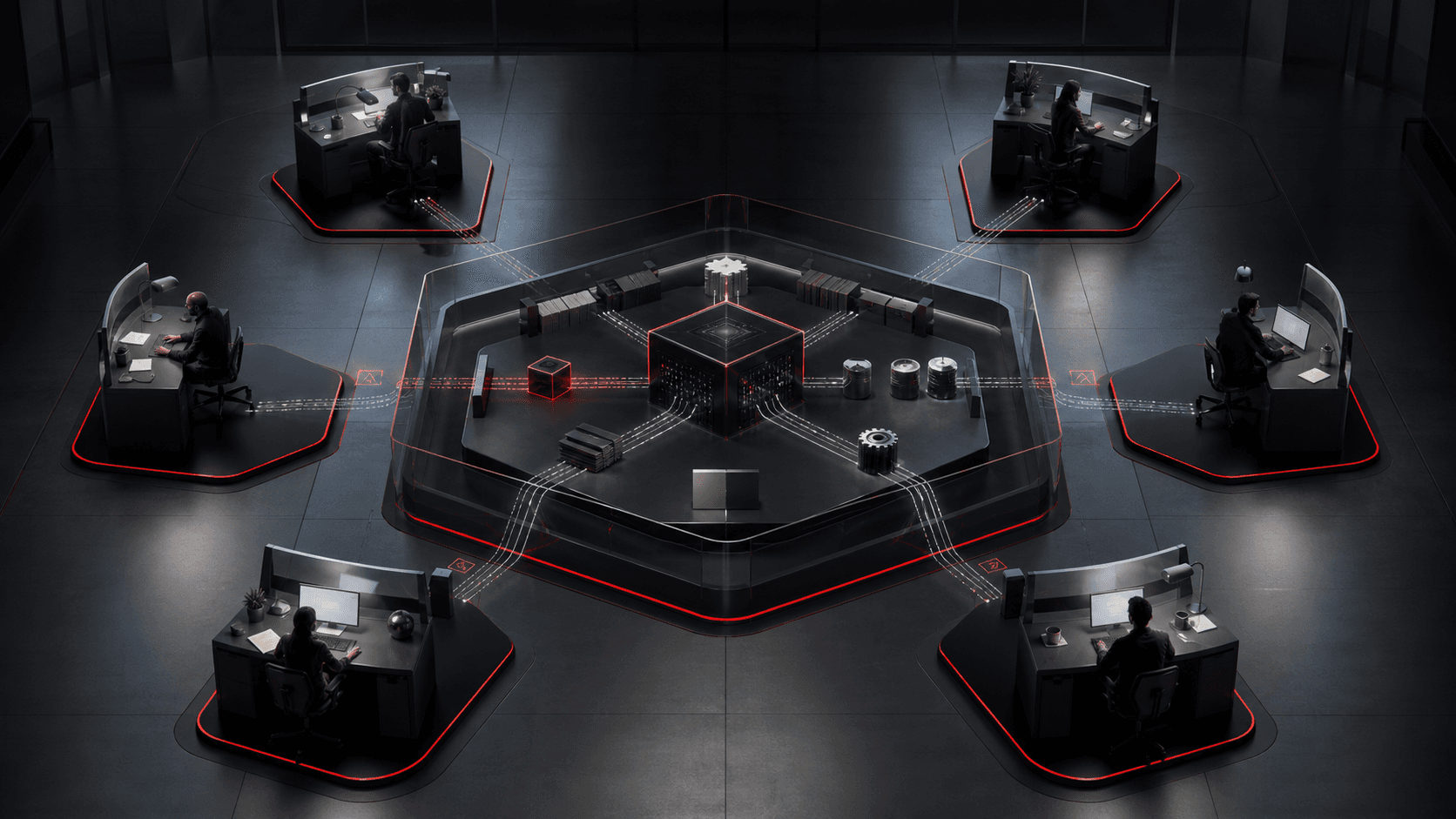
Anthropic’s documentation says an owner chooses the channels and tools available to Claude Tag, and that channel work runs under the organization’s identity rather than an individual user’s. This is the right architectural direction: access should be provisioned centrally and scoped to a defined workspace.
The practical risk is configuration drift. Channels change purpose, private projects become public, employees rotate, and connected tools accumulate permissions. Administrators should treat each Claude identity like a service account: give it the smallest useful scope, review access on a schedule, separate sensitive departments, and remove connectors that are no longer needed.
Memory needs a lifecycle, not a slogan
A teammate is useful because it remembers. An enterprise agent is risky for the same reason. Teams should document what Claude Tag retains, how channel-scoped memory is created, who can inspect or correct it, and what happens when a channel is archived or repurposed.
They should also distinguish Slack history from agent memory and external tool logs. Deleting a message in one place does not automatically prove that every derived record disappeared elsewhere. Before rollout, privacy and security teams need an end-to-end data map instead of relying on the comforting phrase “stays in the channel.”
Roll out the teammate like production software
Start with a low-risk channel, read-only connections, a narrow task, and named human owners. Require the agent to summarize sources and actions. Log tool use. Test what happens when people give conflicting instructions, mention secrets, ask for an irreversible change, or invite a new member into the channel.
Then measure outcomes that matter: confirmed time saved, errors caught by reviewers, duplicated work, token spend, and incidents caused by excessive access. A shared AI agent can make collaboration more legible. It earns trust only when the organization can also see—and stop—what it is doing.
Quick questions
What changed for Claude in Slack on August 3, 2026?
Anthropic’s help documentation says the earlier Claude in Slack experience switched to Claude Tag, the shared Team and Enterprise beta designed around channel mentions, organizational tools, and common context.
Does Claude Tag use each employee’s permissions in a channel?
Anthropic says channel tagging uses an organization identity with tools and access configured by an owner. Direct messages use the capabilities enabled on the individual Claude account.
How should a company start using a shared AI agent?
Begin with a low-risk channel, least-privilege read access, explicit human owners, tool-action logs, spend limits, retention documentation, and human approval for consequential changes.