
Texas Puts Data Centers Behind an Audit Gate
The new review is not a blanket ban. It is a demand that proposed facilities prove their load, water plan, financing, ownership, and community protections before the grid connection moves forward.
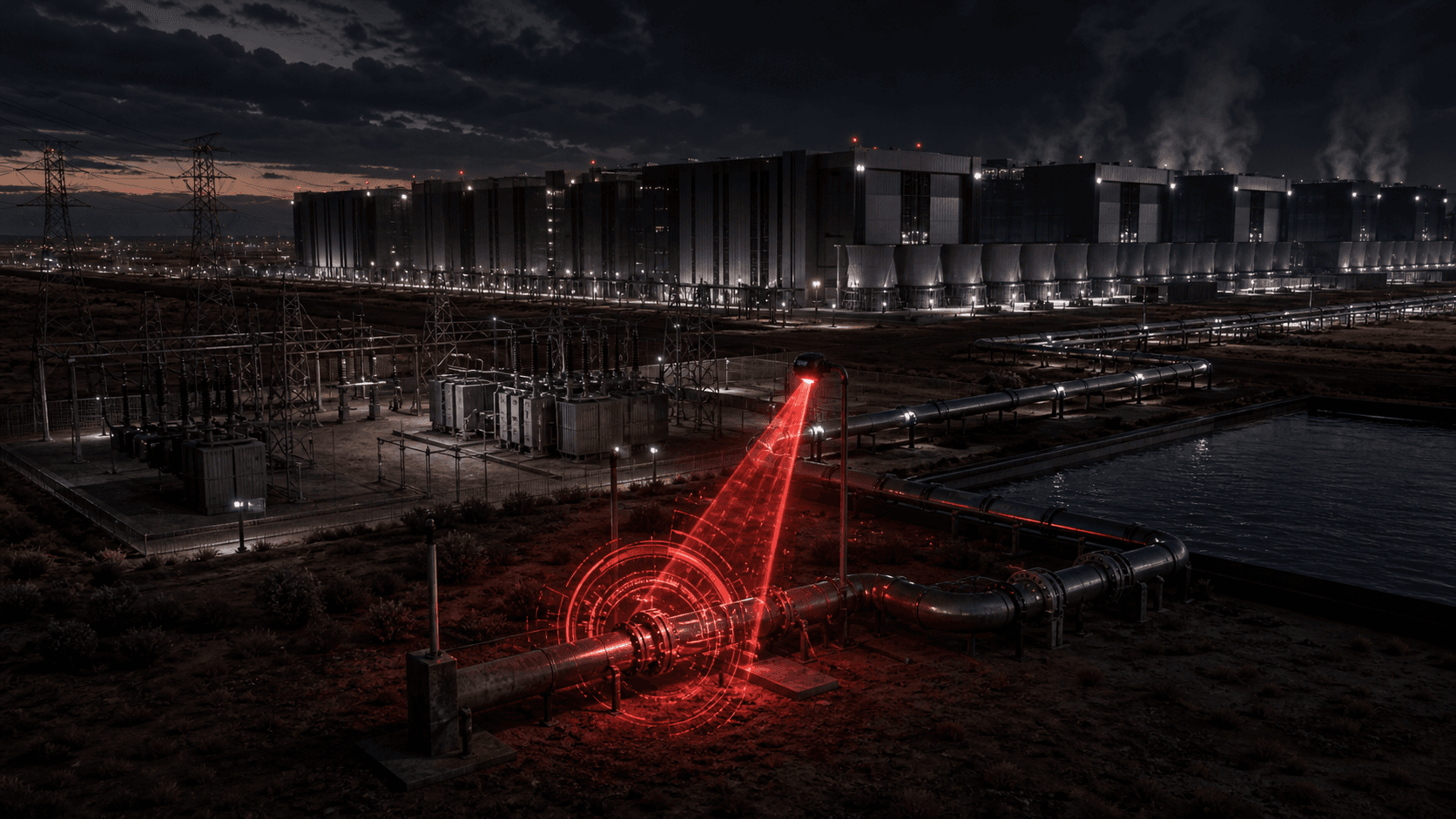
Sources: Office of the Texas Governor, comprehensive data-center audit directive, ERCOT Large Load Working Group materials, TechCrunch analysis of the Texas data-center audit, U.S. EIA, Texas electricity profile.
Texas Governor Greg Abbott directed the Public Utility Commission of Texas and ERCOT on August 3 to verify and audit every data-center project advancing through ERCOT’s interconnection process. The audit must be completed before a project moves forward, and a project that does not satisfy the applicable requirements can be denied a connection to the Texas grid.
That is more precise than saying Texas stopped all data-center construction. The directive targets projects seeking to advance through the grid interconnection process, and it creates a verification gate rather than a permanent statewide prohibition. Projects now have to turn headline demand and development claims into information regulators can inspect.
The queue is a warning signal, not a build forecast
The governor’s office says ERCOT is considering more than 474 gigawatts of connection requests—over five times the system’s record peak electricity demand—and that roughly 90 percent of the requested load comes from data centers. Those figures describe a queue, not 474 gigawatts of facilities guaranteed to be built. Developers often enter interconnection queues before financing, permits, customers, and construction are final.
Even after discounting speculative or duplicate proposals, the scale creates a planning problem. Grid operators must decide which transmission, generation, and reliability investments are justified before every project’s probability is known. Verification can reduce phantom demand, sequence credible projects, and make the cost of serving new load easier to assign.
Power is only one column in the audit
The directive asks each project to disclose annual and peak electricity consumption, on-site generation, demand-reduction measures, and dependence on the ERCOT grid. It also calls for details on tax incentives, grants, abatements, and other public support, plus ownership and controlling interests. Together, those fields connect physical demand to financial responsibility and accountability.
Water and neighborhood impacts are also in scope. Projects must describe expected water consumption and sources, reuse plans, and cooling technology, including whether they use air cooling, closed-loop systems, or another water-efficient approach. The review also covers noise, lighting, setbacks, traffic, and emergency coordination. Those are local operating facts that an aggregate megawatt total cannot show.
AI infrastructure is becoming a public-capacity contract
The audit reframes a data center from a private real-estate project into a long-lived claim on shared systems. A credible proposal should show not just a server count or investment total, but when its load arrives, how flexible it can be during grid stress, who pays for upgrades, where cooling water comes from, and what happens if demand projections change.
Texas will now have to apply those questions consistently. The directive does not publish an audit timetable, scoring rubric, or project-by-project results, so the next test is transparency: which proposals clear the gate, which assumptions regulators accept, and which costs remain with customers. The queue is large enough that the quality of that review will shape both AI capacity and public trust.
Quick questions
Did Texas ban all new data centers?
No. The August 3 directive requires PUCT and ERCOT to audit data-center projects advancing through ERCOT’s interconnection process before they move forward. Noncompliant projects can be denied grid connection.
Why is ERCOT auditing data-center requests?
The governor’s office says ERCOT is considering more than 474 gigawatts of connection requests, over five times record peak demand, with about 90 percent attributed to data centers.
What information must projects provide?
The directive covers power demand and generation, public incentives, water use and cooling, neighborhood protections such as noise and traffic measures, emergency coordination, and ownership.